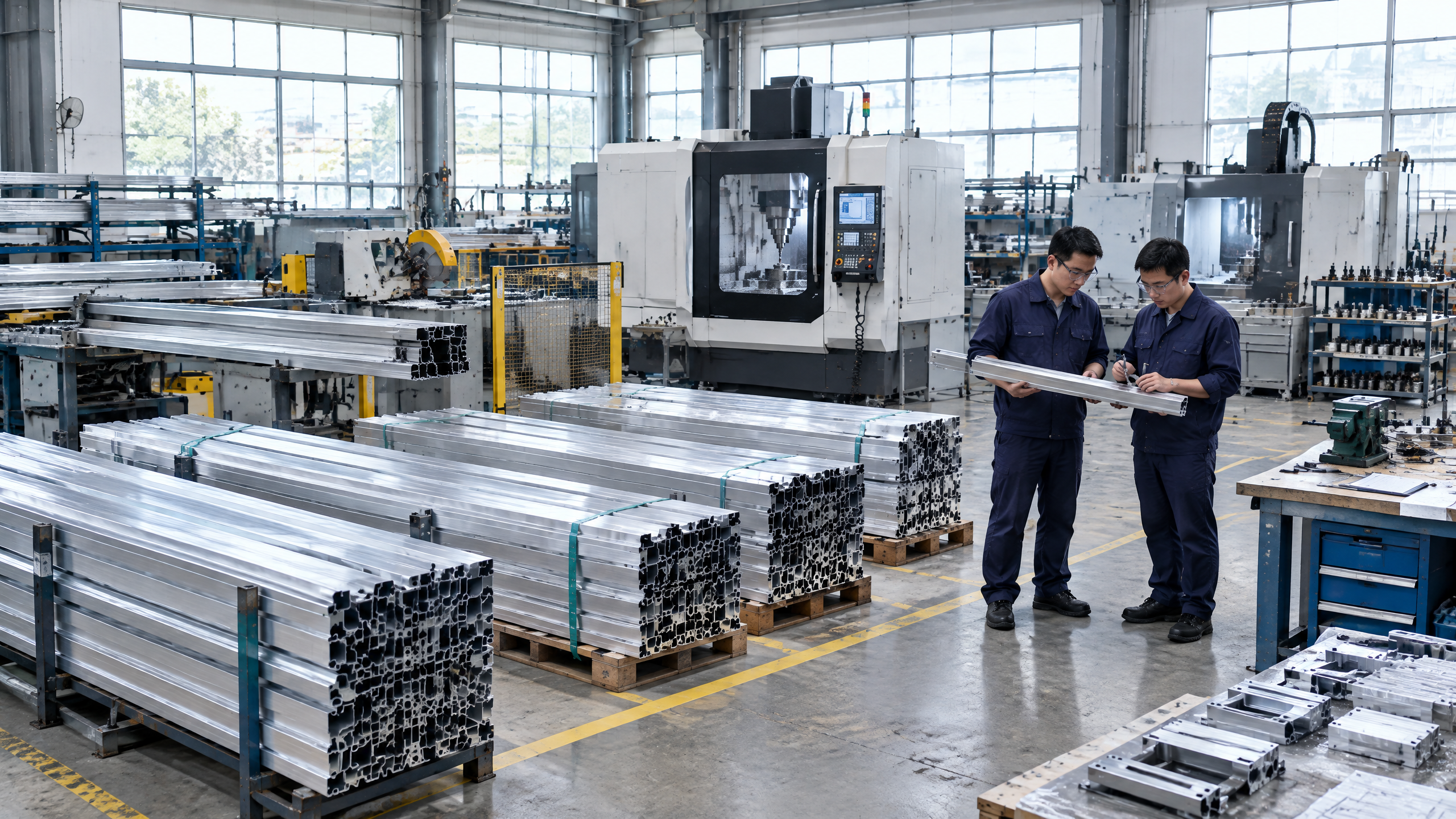
If a delivered carport shipment shows damage, buyers must act quickly and methodically to preserve evidence, protect contractual remedies and keep the project on schedule. The carport freight damage claim process is a coordination of six disciplined activities: inspection and securement at point of delivery, photographic and signed shipment condition record, immediate delivery exception notice to the carrier, notification to the supplier and factory-level carport packing inspection, gathering freight damage evidence and carrier claim documentation, and follow-through on corrective actions such as replacement parts coordination or repair. Follow contractual terms (including Incoterms for risk transfer), document every step, and engage local installers or qualified engineers for structural or electrical decisions. Rapid, well-documented action protects the buyer’s commercial position and reduces delay risk to construction, commissioning and warranty activation.
Buyer context and scope boundary
This guide is for global B2B buyers — distributors, architects, contractors, developers, solar EPCs and fleet operators — who procure architectural aluminium carports, commercial solar carports and industrial/fleet vehicle shelters. It covers what to do from delivery discovery through corrective action and claim closure, focusing on contract and site-receipt practices that protect buyer remedies and project schedules.
Scope boundaries and what this guide does not do:
- This guide does not replace site-specific engineering, foundation design, electrical design, permits, local approvals or energy-yield modelling. Those items require a documented project basis and engagement of relevant local qualified professionals, installers, utilities and authorities.
- This guide assumes the buyer has a commercial contract and shipping terms with the supplier or carrier. It does not provide legal advice; for contractual disputes consult legal counsel experienced in maritime, cross-border logistics or construction procurement.
- This guide does not invent or cite specific local statutory claim time limits; buyers must confirm carrier claim deadlines in contracts and carrier tariffs.
Useful reference frameworks include Incoterms for risk/ownership transfer [3] and packaging/handling standards where relevant (for example, ISO packaging principles) [2].
Core decision principle
Preserve evidence, preserve contractual rights, and enable a timely technical assessment. In practice:
- Do not discard damaged packaging or components until documented and agreed.
- Immediately create a signed shipment condition record and delivery exception notice.
- Separate acceptance of site delivery from agreement about product condition where possible.
- Escalate to supplier and carrier with full freight damage evidence and carrier claim documentation for remediation.
This balances commercial risk with operational continuity: accept undamaged items to keep works moving while holding the process open for damaged items to be remedied via replacement parts coordination or repair.
Planning inputs — what you must prepare before delivery
Prepare these items before the expected arrival date:
- Contractual review: Confirm Incoterm, claim notification clauses, repair/replacement obligations, and carrier claim rules.
- Delivery plan: Schedule a receiving window with trained staff, lifting equipment and safe access. Ensure a camera/phone and digital forms or printed shipment condition record templates.
- Documentation packet: Have PO, packing list, Bill of Lading (B/L) or airway bill, commercial invoice, certificate of origin (if needed), and any factory inspection or carport packing inspection reports available for on-delivery cross-check.
- Roles and responsibility matrix: Assign who signs, inspects, notifies supplier, and engages the carrier or forwarder.
- Spare parts and mitigation budget: Decide whether to pre-order critical spare parts to avoid schedule delays; treat as conditional and cancellable.
Decision table: Pre-delivery readiness (high-level)
| Readiness item | Minimal buyer action | Acceptable verification |
|---|---|---|
| Contract/Incoterm clarity | Confirm terms, who bears transport risk | Contract extract on site with receiving team |
| Receiving team & tools | Appoint inspectors, camera, PPE, equipment | Checklist signed pre-delivery |
| Documentation packet | Packing list, B/L, PO, previous inspection reports | Digital/printed packet on arrival |
| Spare parts contingency | Decide if critical spares will be pre-ordered | Purchase order or contingency approval |
Technical specification and interfaces to inspect at delivery
Carport deliveries are assemblies: extruded aluminium members, bolted connections, fasteners, seals and ancillary items (anchors, electrical components, junction boxes). Inspect interfaces that affect structural integrity, corrosion protection and installation fit:
- Structural members: Check for bends, dents, fractured welds, missing splice plates or crushed sections.
- Surface protection: Look for coating damage, scratches through anodizing or paint and exposed uncoated metal. Consider galvanic risk where dissimilar metals meet; consult finish specs and corrosion guidance [1].
- Fasteners, brackets and splice kits: Verify quantity and intact protective packaging—missing fasteners are common blockers.
- PV modules and electrical items (if applicable): Inspect glass, frames, junction box seals and cabling reels.
- Packaging and blocking: Note water ingress, soaked packaging, crushed crates and impact marks on pallets.
- Documentation match: Verify serial or part numbers match the packing list and PO.
Inspection tools:
- Camera with timestamp
- Tape measure and straight edge
- Marker tags and labels
- Shipment condition record (paper or digital)
- Scale/weight ticket if pallets are to be weighed
Note: Electrical interconnection and energy yield are outside the freight claim scope but critical to commissioning; treat separately.
Procurement and factory evidence — what to request and verify
A robust claim needs evidence from delivery and the factory. Supply-chain evidence should include:
- Pre-shipment inspection reports, QA checklists and test records.
- Photographs of packaging and internal blocking before shipment (if available).
- Packing list and manifest itemised by PO and serial numbers.
- Bill of Lading, carrier shipment numbers and freight insurance references.
- Any factory non-conformance reports or hold tags prior to shipment.
Require a carport packing inspection that states pack method and protective materials used; this helps determine whether damage resulted from inadequate packing or carrier mishandling.
Decision table: Responsibility for evidence by document
| Document / Evidence | Usually provided by | Purpose in claim |
|---|---|---|
| Packing list / manifest | Supplier | Verifies contents vs delivery |
| Carport packing inspection | Supplier/factory QA | Shows packaging method & conformity |
| Pre-shipment photos | Supplier | Demonstrates condition at loading |
| Bill of Lading / AWB | Carrier / Supplier | Identifies transport contract & routing |
| Freight insurance policy reference | Supplier / Carrier | Determines cover and claim process |
| On-site shipment condition record | Buyer / Receiver | Immediate evidence of damage at point of delivery |
| Delivery exception notice | Buyer | Notifies carrier and starts claim clock |
| Carrier claim documentation | Buyer / Carrier | Formal claim forms and evidence packet |
Procurement tip: Contractually require suppliers to retain pre-shipment photographs and packing inspection records for a defined period and to provide them on request within a set timeframe.
Site installation and operations — immediate steps after finding damage
Upon discovering damage, the buyer’s objectives are to secure goods, preserve evidence, protect schedule where possible, and initiate formal claim pathways.
Operational checklist:
- Do not unload or accept if the carrier requires an on-site decision and the damage is extensive—record refusal on carrier paperwork and issue a delivery exception notice. If partial acceptance is necessary, accept undamaged items and quarantine damaged items.
- Photograph everything: container, pallet, surroundings, each damaged item, crate marks, and serial labels. Use timestamps.
- Complete a shipment condition record signed by the receiver and, if possible, the carrier’s driver or agent.
- Tag damaged components and do not discard packaging until supplier and carrier agree disposition.
- Notify the carrier immediately with a delivery exception notice and obtain an acknowledgment.
- Notify the supplier with freight damage evidence (photos, condition record, B/L) and request carport packing inspection records and replacement parts coordination.
- If safety is at risk, mitigate hazards per the site H&S plan while preserving evidence.
Record a clear timeline (times and dates of inspection, notifications and actions); carriers and insurers frequently request it.
Implementation risk: what can go wrong and how to reduce it
Common problems and mitigations:
- Lost evidence when site teams discard packaging. Mitigation: Enforce “do not discard” holding instructions; tag and quarantine items and log chain of custody.
- Receiver signs “clean” receipt under pressure. Mitigation: Train staff to sign “received, subject to inspection” or add conditional notes on the POD.
- Missed carrier deadlines. Mitigation: Treat immediate notification as mandatory and capture carrier acknowledgment.
- Supplier delays providing factory evidence. Mitigation: Contractual obligations for timely documentation and remedies for non-cooperation.
- Unclear accountabilities between buyer, forwarder and carrier. Mitigation: Use a responsibility matrix and confirm roles pre-shipment.
- Incompatible replacement parts due to mismatched part numbers. Mitigation: Maintain BOMs, part lists and ask for drawings or exploded parts lists with shipments.
Risk control combines contractual clarity, pre-delivery planning and disciplined on-site behaviour.
The named six-step buyer workflow
Adopt the Carportiva Buyer Six-Step Recovery Workflow.
- Secure & Photograph (Immediate)
Secure safety, take time-stamped photos of packaging and damaged items, mark items with damage tags, and do not dispose of packaging.
- Shipment Condition Record (Inspection)
Complete and sign the shipment condition record on-site; obtain carrier signature or document refusal.
- Notify Parties (Administrative)
Send the delivery exception notice to the carrier and notify the supplier and logistics partners; provide initial freight damage evidence and record carrier references.
- Collect Factory Evidence (Procurement)
Request carport packing inspection reports, pre-shipment photos, a detailed packing list and QA certificates.
- Carrier Claim Documentation (Claims)
Prepare carrier claim documentation using carrier forms, attach the shipment condition record, photos, B/L/AWB and a timeline; coordinate with freight insurance if insured.
- Corrective Action & Replacement Parts Coordination (Resolution)
Agree with supplier on replacement parts, on-site repair or return to factory. Coordinate logistics and update the schedule. Document closure and retain records.
Assign owners and response targets for each step and track progress in a claims log.
Carrier claim documentation — what the carrier will need
Commonly requested items (prepare proactively):
- Completed carrier claim form with claimed amount if required.
- Shipment condition record and delivery exception notice.
- Photographs of packaging and goods (wide and close-up with timestamps).
- Bill of Lading or airway bill and freight documentation.
- Commercial invoice and packing list showing value and itemisation.
- Evidence of pre-shipment condition (packing inspection, photos).
- Repair estimates or replacement parts list and costs if seeking monetary settlement.
- Proof of delivery signed and any driver statements or POD notes.
If insured, notify the insurer per policy terms. Carrier liability and insurer recoveries may follow different processes; pursue both where appropriate.
Freight damage evidence — building an evidentiary file
Structure an evidentiary file for efficiency and defensibility:
- Cover sheet with claimant, PO, B/L/AWB, carrier, date and incident summary.
- Chronological timeline of events.
- Shipment condition record and signed delivery exception notice.
- Full photo set organised by packaging, pallet and item.
- Supplier documentation: packing list, carport packing inspection, pre-shipment photos, QA reports.
- Repair/replacement cost estimates and installer quotes.
- Carrier claim form and correspondence.
- Freight insurance policy and notification proof.
Store the file electronically (secure cloud with backups) and retain physical copies if required.
Decision table: Evidence completeness and likely action
| Evidence present | Likely early action |
|---|---|
| Photos, signed shipment condition record, delivery exception notice | Proceed with carrier immediate claim and supplier notification |
| No pre-shipment photos or packing inspection | Request supplier evidence; escalate to supplier QA |
| Missing packing list or mismatched quantities | Suspend installation of missing items; request fast-track shipment of missing parts |
| Carrier accepts responsibility in writing | Coordinate settlement and replacement parts coordination |
| Carrier denies responsibility | Pursue supplier contractual remedies and insurer subrogation where applicable |
Replacement parts coordination and repair logistics
When repair or replacement is necessary:
- Prioritise critical-path items and expedite shipping where commercially justified.
- Match part numbers and specifications using supplier drawings, BOM and serial numbers to avoid follow-on delays.
- Confirm who pays expedited freight and which Incoterm applies for replacements.
- Consider local repair for non-structural damage versus factory-authorised repair for structural items.
- Require signed conditional acceptance after repair and final QA sign-off before commissioning.
Engage qualified installers or structural engineers for decisions affecting load-bearing members. Maintain records of replacement parts coordination to support claims and warranty.
Establishing contractual clauses to reduce future risk
Include these contractual items to reduce claim complexity and cost:
- Packing & shipping standards and a required carport packing inspection.
- Supplier response timeframes to damage notifications and delivery of replacements.
- Salvage and return freight terms clarifying responsibilities.
- Insurance requirements with proof of coverage and named loss payee where applicable.
- Supplier obligations for spare parts, fasteners and short-lead items.
- Dispute resolution and audit rights to review factory packing records.
Work with procurement and legal teams to convert requirements into enforceable contract language.
Site-specific considerations and professional responsibilities
Site-specific structural capacity, foundations, permits, electrical design, approvals, lead time, price, energy yield and warranty require a project basis and engagement of local qualified professionals, installers, utilities and authorities. Freight damage handling is one part of delivery and installation.
- Temporary on-site repairs may affect design validation and warranty; obtain structural engineer sign-off.
- Electrical repairs require licensed electricians to certify compliance for commissioning.
- Repaired items altering as-installed conditions may trigger permit amendments; check with authorities.
Always secure documented professional sign-off before closing a claim if damage affects safety, code compliance or certified performance.
Frequently asked questions (FAQ)
Q: Can I accept a delivery and still claim for damaged items discovered after unloading? A: Yes—acceptance does not always eliminate rights to claim, but you must document condition and notify the carrier and supplier per contract and carrier rules. Use the shipment condition record and delivery exception notice.
Q: What if the carrier’s driver refuses to sign my damage form? A: Note "driver refused to sign" on your record, obtain witness signatures, and send the delivery exception notice through the carrier’s official channels requesting acknowledgment.
Q: Who pays for replacement parts while a claim is pending? A: That depends on contract terms and liability. Buyers sometimes purchase critical items and seek reimbursement—do so only with contractual cover or clear evidence that reimbursement will be pursued.
Q: How long should I keep packaging and damaged items? A: Keep them until supplier, carrier and insurer have inspected or given written disposal instructions. If unsure, keep items in quarantine.
Q: Do I need to involve customs if the goods are imported? A: Potentially. Damages during importation can affect salvage and release; consult your customs broker and import guidelines [4].
Q: Are there standard industry times for claiming freight damage? A: Carrier claim timeframes vary by mode and carrier. Verify deadlines in the transport contract and Incoterms [3]; prompt notification preserves remedies.
Q: Can I require the supplier to pre-ship spare parts? A: Yes—include spare parts contingency clauses in procurement contracts and specify critical components and acceptable lead-times.
Q: What is the role of the carrier vs supplier under Incoterms? A: Incoterms define risk transfer and delivery obligations. Verify the agreed Incoterm and apply corresponding responsibilities [3].
Two practical decision tables to use on site
Decision table: Accept vs Refuse at point of delivery
| Condition at delivery | Action recommended | Rationale |
|---|---|---|
| No visible damage, packaging intact | Accept delivery, note "received" | Normal process; QA inspection to follow |
| Minor cosmetic scratches to non-structural parts | Accept with shipment condition record and photos; request supplier remedy if required | Minimises delay; preserves claim for cosmetic defects |
| Damage to structural members or crushed pallets | Refuse delivery or accept only undamaged bundles; complete delivery exception notice and shipment condition record | Structural integrity risk requires formal claim and possible return |
| Missing items from manifest | Accept with note of shortages; quarantine and do not install | Protects right to claim for shortages |
| Signs of water ingress or soaked packaging | Quarantine, photograph and note on delivery exception notice; open a humidity-sensitive inspection | Water ingress can cause hidden damage; urgent inspection required |
Decision table: Documentation checklist and responsible owner
| Document | Who provides | When to obtain | Owner |
|---|---|---|---|
| Shipment condition record | Buyer/Receiver | On arrival, before unloading or signing POD | Site receiving lead |
| Delivery exception notice | Buyer | Immediately on discovery | Logistics coordinator |
| Photos (external/internal) | Buyer/Supplier | Immediately | Site inspector |
| Carport packing inspection | Supplier | Upon claim request | Supplier QA |
| Packing list / Manifest | Supplier | On delivery | Procurement lead |
| Bill of Lading / AWB | Carrier/Supplier | Before or at delivery | Logistics coordinator |
| Carrier claim documentation | Buyer | Within carrier deadlines | Claims manager |
| Replacement parts list & prices | Supplier | After assessment | Procurement & supplier |
Mid-article practical CTA
If you require assistance tailoring acceptance forms, packing inspection templates or a contract clause set aligned to Carportiva system ranges, contact our team for procurement support at /inquiry or email info@carportiva.com. Review Carportiva system range for spec alignment and parts lists: Carportiva system range and see our procurement playbooks in the sourcing guides.
Closure, record retention and learning loop
After claim resolution—replacement, repair, or settlement—complete closure steps:
- Create a final claims closure document with outcome, dates, costs and any warranty concessions.
- Update BOM and spare parts inventory.
- Hold a supplier/internal review to identify systemic gaps (packaging, routes, handling).
- Retain the claims file per your retention policy for warranty or liability purposes.
These steps turn disruption into continuous improvement.
Conclusion
Effectively handling the carport freight damage claim process requires pre-delivery planning, disciplined on-site inspection and a documented evidentiary file that links on-site findings to factory packing records and carrier claim documentation. Use the Carportiva Buyer Six-Step Recovery Workflow — Secure & Photograph, Shipment Condition Record, Notify Parties, Collect Factory Evidence, Prepare Carrier Claim Documentation, and Corrective Action & Replacement Parts Coordination — to preserve rights while keeping projects moving. Contract clauses mandating pre-shipment documentation, timely supplier response and clear insurance requirements reduce delay and cost. Remember that site-specific structural capacity, foundations, permits, electrical design, approvals, lead time, price, energy yield and warranty require a documented project basis and relevant local qualified professionals, installers, utilities and authorities.
For help implementing procedures, template documents or to discuss how Carportiva handles packing and on-delivery support across our product families, reach out at /inquiry or info@carportiva.com. Explore our product lines at all systems and further procurement guidance in the sourcing guides.
Selected references and frameworks to consult:
- American Galvanizers Association: https://galvanizeit.org/
- International Organization for Standardization: https://www.iso.org/
- International Chamber of Commerce Incoterms: https://iccwbo.org/business-solutions/incoterms-rules/
- U.S. Customs and Border Protection import guidance: https://www.cbp.gov/trade/basic-import-export
References
- American Galvanizers Association: https://galvanizeit.org/
- International Organization for Standardization: https://www.iso.org/
- International Chamber of Commerce Incoterms: https://iccwbo.org/business-solutions/incoterms-rules/
- U.S. Customs and Border Protection import guidance: https://www.cbp.gov/trade/basic-import-export
Keep the project brief connected.
Bring the actual project brief to the engineering table.
Share your location, layout, target application and available technical inputs. Carportiva can help identify the relevant product-interface information before a project-specific commercial discussion.
Request a project discussion