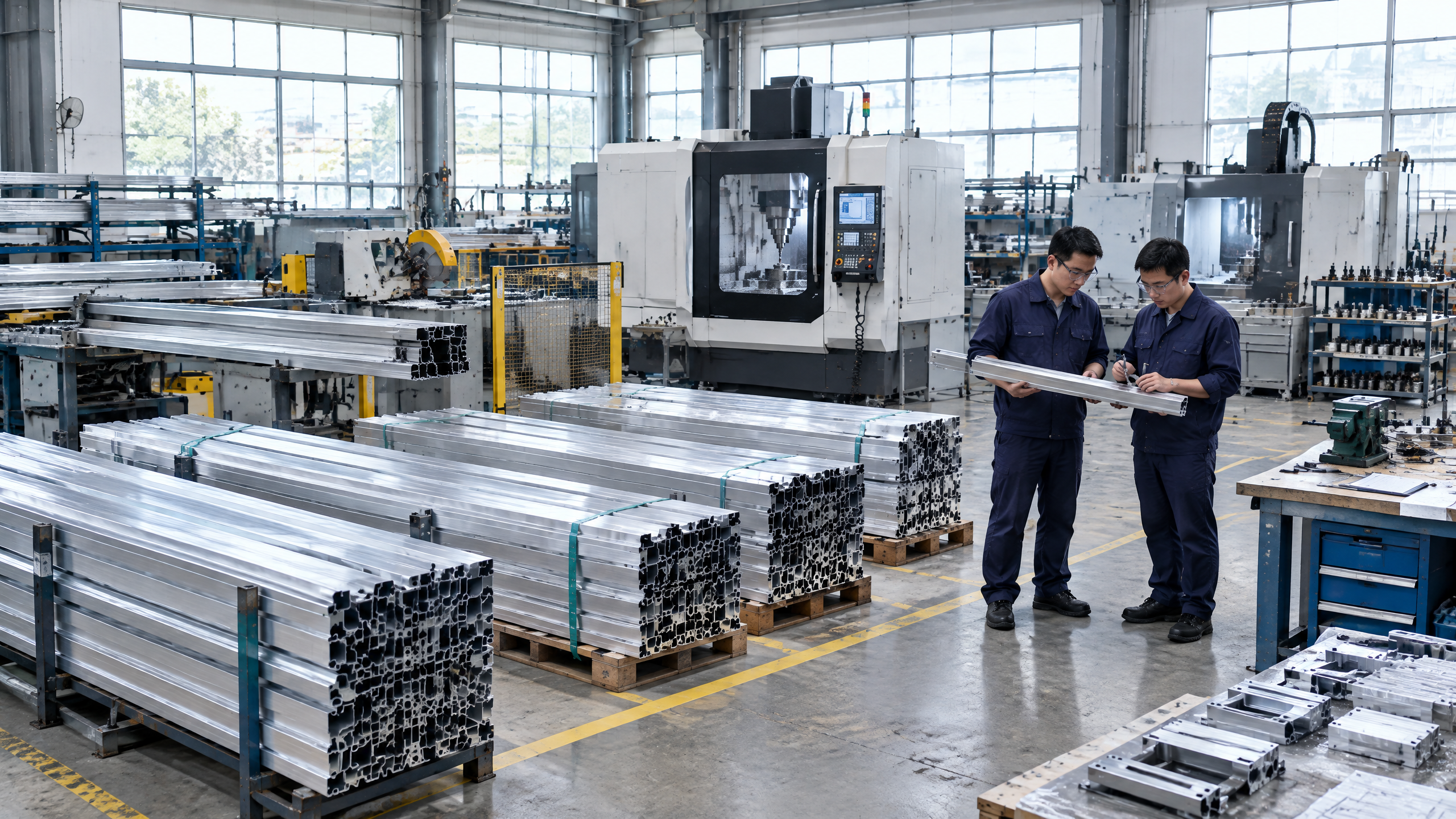
Direct answer Confirm four groups of facts when you undertake a carport supplier manufacturer comparison: (1) Responsibilities and deliverables — who provides design, fabrication, site frames, foundations and installer obligations; (2) factory capability and controls — including evidence of carport factory cnc preparation, repeatable fabrication jigs, and documented carport factory quality control processes; (3) paperwork and commercial terms — clear carport supplier project documentation and a carport supplier commercial proposal that define scope, milestones, inspections and Incoterms; and (4) on-site and compliance boundaries — what the supplier will verify versus what your local engineer, authority or utility must confirm. Confirm these items with records, photographs, factory inspection access and a planned handover process. Do not assume capacity, approvals, lead time, warranty performance or energy yield — local qualified professionals, authorities, utility providers and installers must make final site‑specific decisions.
Why this comparison matters for B2B buyers
A carport supplier manufacturer comparison reduces downstream risk: misaligned scope, undocumented manufacturing steps, or unclear logistics create schedule and cost overruns. For distributors, architects, contractors, developers, solar EPCs and fleet operators, the comparison focuses less on brand narrative and more on verifiable production controls, project documentation and contractual clarity. The sections below give a structured checklist and decision aids to use in procurement rounds.
Key confirmation checklist (what to require first)
Ask suppliers and manufacturers to provide the following items before technical selection:
- A concise carport supplier commercial proposal that lists deliverables, exclusions, milestones and accepted payment terms.
- A complete set of carport supplier project documentation: drawings, BOMs, site interface drawings, lifting plans and packaging lists.
- Factory evidence of carport factory cnc preparation and production fixtures for repeatable parts.
- Descriptions and records of carport factory quality control, including in-process checks and final inspection criteria.
- Ability to support a carport supplier factory audit (remote or on-site) and a named point of contact for manufacturing queries.
- Proposed shipping Incoterms and an estimated packing list for customs and insurance planning [3].
- Project-specific interfaces: foundation loads/requirements (for engineer calculation), electrical connections (for solar), drainage, and access for installation crews.
Do not accept vague statements such as “we will handle everything”; require the commercial proposal to map responsibilities explicitly.
Decision table: supplier vs manufacturer responsibilities
| Responsibility | Typical supplier role | Typical manufacturer role | Decision note |
|---|---|---|---|
| Concept to approved shop drawings | Supplier coordinates and submits | Manufacturer produces shop drawings based on approved concept | Confirm who owns revisions |
| Fabrication and CNC programming | May subcontract or coordinate | Direct responsibility; must evidence carport factory cnc preparation | Ask for CNC program preview or sample parts |
| Quality control and test records | Supplier collates | Manufacturer performs and archives carport factory quality control | Request inspection checkpoints |
| Logistics and packing | Supplier arranges forwarding | Manufacturer packs per agreed spec | Confirm Incoterm and carrier handover |
| Installation and site works | Supplier or local installer | Typically out of manufacturer scope | Define installer interface and responsibilities |
Use this table to allocate contractual liability and inspection points.
Assessing the factory: audit checklist
A focused carport supplier factory audit should cover capability, process control and workforce. If an on‑site visit is not feasible, request a documented remote audit including video and time‑stamped images.
Decision table: factory audit checklist (Yes / No / Follow-up required)
| Audit area | Evidence to request | Pass criteria |
|---|---|---|
| CNC preparation and fixtures | CNC program samples, tooling list, sample parts | Evidence of repeatable parts and nesting plans |
| Material traceability | Mill test certificates, alloy/finish records | Traceability to batch/lot for structural alloys |
| Welding and joining | Weld procedure notes, welder qualification records | Visible welding standards or approved PQR/WPS |
| Surface treatment and corrosion protection | Process description, batch logs | Process aligned to project spec; galvanizing/finish records (see guidance) [1] |
| In-process QC | Checklists, non-conformance logs | Documented control points and corrective action records |
| Packing and handling | Photos of packing, unit weight lists | Protective measures for transit damage |
A clear go/no-go checklist helps buyers decide whether to proceed to a pilot order or require corrective actions.
What to expect in project documentation and commercial proposals
A robust carport supplier commercial proposal and carport supplier project documentation should contain:
- Scope of supply and exclusions (who supplies foundations, cabling, anchors, seals).
- Bill of Materials with itemized quantities, part numbers and unit weights.
- Shop drawings and connection details sufficient for your structural engineer and local authorities.
- Inspection and test plan (ITP) that references specific factory quality control steps and acceptance criteria.
- Packing list and handling instructions to calculate transport and crane requirements.
- Delivery milestones and any partial shipment strategy.
Insist that the commercial proposal references the attached project documentation explicitly and ties acceptance tests to specific milestones. If your procurement relies on modular systems from Carportiva, compare the proposal to the Carportiva system range and all systems descriptions to confirm system compatibility.
Production controls: carport factory cnc preparation and quality control
Confirm how parts are prepared and verified before assembly:
- CNC preparation: ask for nesting plans, cut lists and sample G‑code exports for a critical panel. This shows whether the manufacturer programs to drawing tolerances and can demonstrate repeatability.
- Jigs and fixtures: evidence that mating parts use assembly fixtures limits on-site rework.
- In-process inspection: factory quality control should include dimensional checks, surface inspection, and assembly fit checks prior to packing.
- Final acceptance: check the final inspection checklist and request photographic evidence or third‑party inspection prior to shipment.
Well-documented carport factory quality control reduces risks of late-stage defects and rework. If galvanizing or specific finishes are specified, require process descriptions and batch records; refer to authoritative galvanizing guidance to ensure surface requirements are reasonable [1].
Logistics, trade terms and customs
Trade terms materially affect who bears risk and cost. Confirm and document:
- Incoterms in the commercial proposal; these determine who arranges freight, insurance and customs clearance [3].
- Packing unit dimensions and weights for lifting, storage planning and port handling.
- Required export documentation and origin declarations for customs and import duties. Buyers importing equipment should consult customs guidance for required documentation [4].
- Expected delivery windows and a plan for partial shipments where feasible.
Do not accept ambiguous lead-time statements without clearly tied milestones and penalties; confirm transit and handling responsibilities per the agreed Incoterm.
Cost drivers and where to focus negotiations
Key cost drivers include: aluminium and coating specification, custom CNC path complexity, special finishes, packaging for long-distance shipping, and labour for secondary operations. Negotiate around:
- Standardizing parts to common modular units to reduce CNC setup time.
- Clarifying who supplies civil works and concrete reinforcement, which often represents hidden cost if omitted from the proposal.
- Defining acceptance criteria and rework terms so costs for defects are contractually clear.
Cost and delivery are linked: a lower unit price may increase risk if the supplier lacks adequate carport factory quality control. Balance price with verifiable factory evidence.
The Five-Step Carportiva Buyer Workflow
- Prepare requirements pack — include system dimensions (refer to Carportiva system range), site constraints, electrical interface and preferred finishes.
- Request detailed proposals — require a carport supplier commercial proposal and the full carport supplier project documentation.
- Evaluate factories — review evidence for carport factory cnc preparation and carport factory quality control; score against the audit checklist.
- Negotiate terms — align Incoterms, milestones, acceptance tests and rework responsibilities.
- Execute a pilot or phased shipment — perform a factory audit or appoint third‑party inspection, accept pilot units, then scale production.
Follow this workflow for each shortlisted supplier/manufacturer, and retain documentation of decisions for vendor management and handover.
Mid-article action: start supplier evaluation
If you are ready to proceed with formal evaluations, begin by requesting a carport supplier commercial proposal and the full carport supplier project documentation from shortlisted vendors. For assistance with preparing your requirements pack or to submit an inquiry, use our inquiry path: /inquiry.
Risk allocation and legal points to confirm
When comparing suppliers and manufacturers, confirm contractual risk allocation for:
- Non-conforming goods and allowed remedial actions.
- Responsibility for site interface errors (e.g., incorrect anchor locations).
- Title and insurance transfer aligned with Incoterms [3].
- Intellectual property rights about bespoke profiles and CNC programs.
Engage your legal and contracts team early to place these responsibilities in the purchase order or supply agreement.
Handover and installation planning
Successful delivery requires a defined handover process:
- Pre-shipment inspection and release documentation.
- Installation pack for contractors: annotated drawings, sequence instructions, lifting points and torque settings.
- Post-installation acceptance checklist and spare parts list.
Confirm that the supplier will provide the carport supplier project documentation in editable format and that your installer accepts the format.
Scope boundaries and final decision authorities
This guide does not promise structural capacity, permit approval, code compliance, lead time, price, energy yield or warranty. Those items are site- and jurisdiction-specific and must be verified by local qualified professionals, authorities, utility providers and installers who make final site‑specific decisions. Use this guide to inform procurement due diligence, not to replace certified engineering or statutory approvals.
Decision table: go/no-go for supplier selection
| Criterion | Minimum acceptable evidence | Go / No‑go |
|---|---|---|
| Complete commercial proposal and project documentation | Signed proposal + drawings + ITP | Go if present |
| Factory capability | Demonstrated carport factory cnc preparation and sample parts | Go if repeatable samples provided |
| Quality control | Documented carport factory quality control with checklists | Go if in-process checks exist |
| Audit access | Remote or on-site audit possible | Go if audit allowed |
| Logistics clarity | Incoterms and packing list provided | Go if specified |
| Installer interface | Installation pack commitment | Go if committed |
If any critical item is “No‑go,” request corrective evidence before awarding.
Frequently asked questions
Q: What is the difference between a supplier and a manufacturer in this comparison? A: Typically the supplier coordinates commercial aspects, design interface and logistics; the manufacturer is responsible for fabrication, CNC programming and factory quality control. The commercial proposal should spell out which party takes which responsibilities.
Q: Can I rely on photographic evidence instead of a factory visit? A: Photographic and video evidence can be acceptable if time‑stamped and comprehensive, but a more robust option is a documented carport supplier factory audit or third‑party inspection.
Q: Should I include local installers in the procurement process? A: Yes. Early involvement clarifies installation tolerances, foundation interfaces and lifting requirements, reducing overrun risk.
Q: Do Carportiva systems require specific CNC processes? A: Carportiva systems are modular; however, confirm CNC and fabrication processes against the Carportiva system range specifications during your supplier evaluation.
Q: Where do I find further sourcing guidance? A: See our sourcing guides and the all systems listings for system details and procurement checklists.
Conclusion
A disciplined carport supplier manufacturer comparison focuses on accountable deliverables, verifiable factory practices and clear commercial terms. Prioritize documented carport supplier project documentation, demonstrable carport factory cnc preparation and robust carport factory quality control. Use the Five‑Step Carportiva Buyer Workflow to structure evaluations and require audits where evidence is incomplete. Remember that local engineers, authorities, utilities and installers make final site‑specific decisions; treat their approvals as gating milestones in your procurement schedule.
For a tailored procurement review or to submit specification documents for evaluation, start an inquiry: /inquiry. For direct document submissions or questions, contact: info@carportiva.com.
References
- American Galvanizers Association: https://galvanizeit.org/
- International Organization for Standardization: https://www.iso.org/
- International Chamber of Commerce Incoterms: https://iccwbo.org/business-solutions/incoterms-rules/
- U.S. Customs and Border Protection import guidance: https://www.cbp.gov/trade/basic-import-export
Keep the project brief connected.
Bring the actual project brief to the engineering table.
Share your location, layout, target application and available technical inputs. Carportiva can help identify the relevant product-interface information before a project-specific commercial discussion.
Request a project discussion