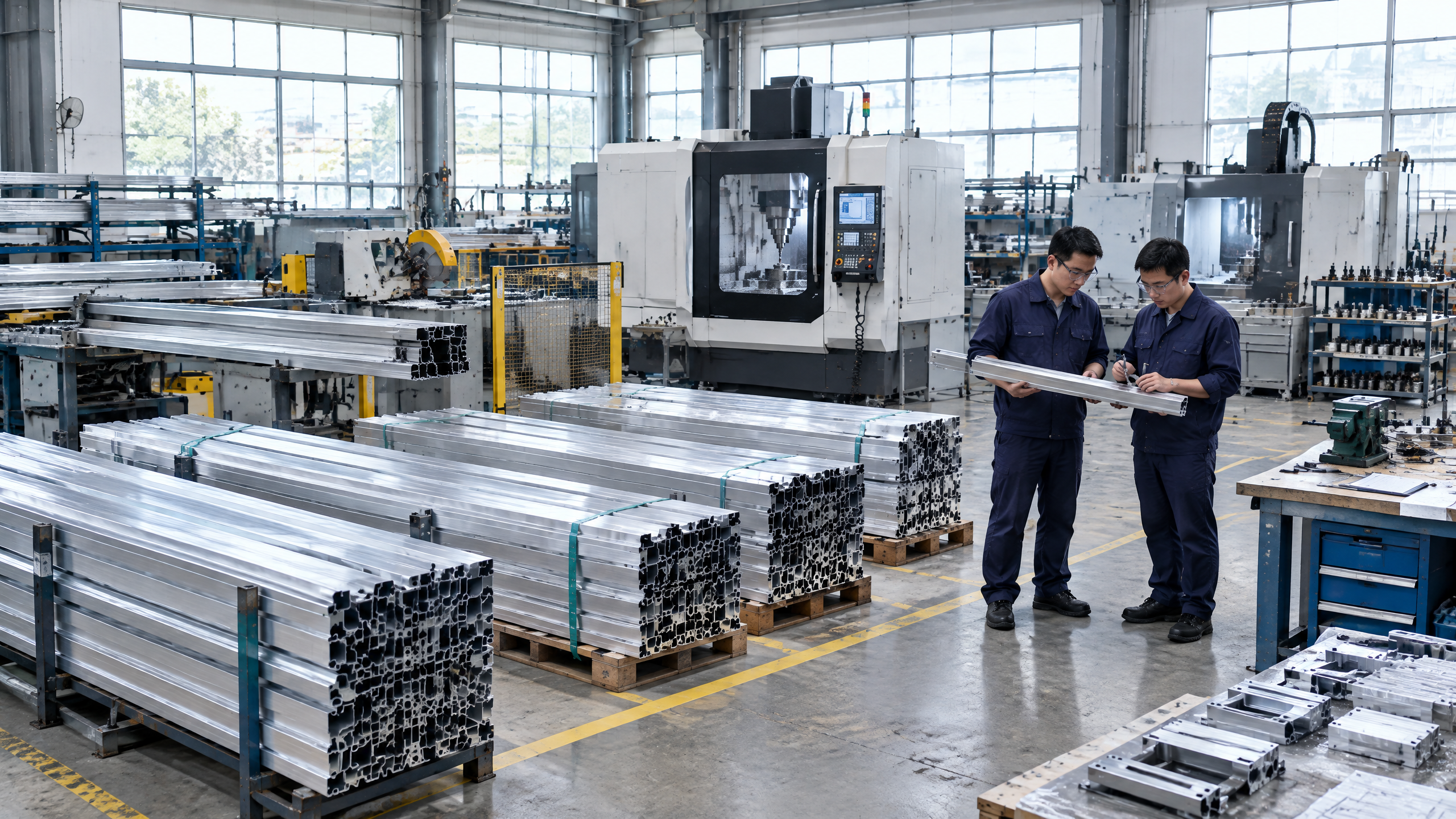
A carport factory trial assembly confirms that the design, parts, and packing meet your site's installation and logistics requirements before serial production and export. At minimum, buyers must confirm: the exact scope of the trial (which modules, site interface items and documentation will be assembled), the inspection and sign‑off criteria, the bill of materials used for the test, packaging and export markings, the responsibilities and timelines for remedial work, and the communication plan for site‑specific variations. Also confirm supplier roles (who is responsible for remedial fabrication or rework), how the trial affects production sequencing, and the format of handover deliverables (as‑built drawings, packing lists, and part identification). Decisions about structural capacity, permit approval, local code compliance, lead time, price, energy yield and warranty must be made by local qualified professionals, authorities, utility providers and installers; the factory trial only validates assembly fit and packing logistics.
Why a factory trial assembly matters to B2B buyers
A factory trial assembly reduces surprises at site by validating that profiles, fasteners, brackets and solar module interfaces assemble as intended. For distributor, EPC or dealer procurement teams it clarifies part marking, packing units, and how modules and ancillaries will arrive. The trial is not a substitute for engineering review on site: it proves fit and completeness relative to the approved shop drawings and production sample, not compliance with local regulations or final structural capacity.
Key outcomes to expect from a trial assembly:
- Confirmation of the bill of materials and cutting/slot tolerances.
- Identification of missing or non‑conforming parts and documented remedial actions.
- Validation of packing methods and pallet/unit counts for export.
- Tangible handover documents and photographic records for installation teams.
See the Carportiva system range to confirm which modular assemblies are available for trial assembly, and consult our sourcing guides for planning templates.
What to confirm before scheduling the trial
Before the factory books time and components for a trial assembly, buyers should confirm the following items in writing:
- Trial scope: which model(s), roof spans, and ancillary items (e.g., edge gutters, wire management trays, EV charging supports) will be assembled.
- Reference documents: approved shop drawings, parts list (BOM) revision, and any client‑specific shop modifications.
- Inspection criteria: acceptance thresholds for visible fit, hole alignment, and connector engagement; how dimensional discrepancies are recorded.
- Deliverables: as‑assembled photo set, signed inspection checklist, reconciliation of BOM vs. assembled parts, and a list of corrective actions.
- Logistics: packing method and palletisation sample, labelling matrix, and carrier handoff point.
Explicitly request the physical packing sample or photographs of packing during the trial so you can confirm export constraints and inland handling at origin.
Factory logistics and export packing
Confirm the factory’s packing approach and who is responsible for export compliance staging. Ask to see a sample pallet or crate configuration from the trial assembly to verify item grouping, dunnage, lifting points and markings for customs and carriers.
- Ensure the packing list includes part numbers, quantity per pack, package weight and dimensions, and any special handling notes.
- Verify that export seals, fumigation (if applicable), and hazardous materials declarations (for ancillaries) will be handled prior to carrier handoff.
Clarify Incoterm responsibilities in writing; these determine when the buyer or supplier bears risk and costs during export packing, loading and transport [3]. For import documentation expectations (commercial invoice, packing list, certificate of origin), obtain a sample set from the trial so your customs broker can confirm requirements against destination rules [4].
Include a carport factory export packing sample as part of the trial deliverables.
Production planning and scheduling impacts
A factory trial assembly should be integrated with the supplier’s serial production schedule and should not be treated as an isolated event. Confirm how the trial affects production sequencing, material reservations and lead times for subsequent batches.
Ask the supplier to map:
- Which production slots are reserved for the verified configuration after a successful trial.
- Whether any parts used in the trial are prototype quantities or standard production parts.
- The process and lead time for implementing corrective manufacturing actions if the trial reveals non‑conformities.
Request the supplier’s documented carport factory production planning approach for the line that will manufacture your order so you understand checkpoints, release criteria and hold points.
Quality control, documentation and acceptance criteria
Define acceptance criteria before the trial. Typical buyer‑driven acceptance items include:
- Complete assembly with no visibly distorted profiles or missing components.
- All bolt connections engage without forced alignment; all slotted connections fit within tolerance.
- Markings and part IDs match the BOM and pack list.
Ask that the factory uses a signed factory acceptance report that includes photographic evidence, list of non‑conformities, root‑cause notes (if known) and agreed remedial actions with deadlines. Ensure that the report explicitly states which items were tested and which were not (e.g., torque checks vs. visual fit).
Where a trial exposes a manufacturing issue, the remedial plan should specify responsibilities, time limits and whether rework will be completed in factory or at site.
Interface items: foundations, attachments and on‑site assemblies
A trial assembly won’t confirm site foundation adequacy, but it must verify how factory‑supplied anchor plates, baseplates and interface brackets align with the client’s foundation layout. Confirm:
- Dimensional drawings for foundation anchor locations linked to the trial assembly parts.
- Tolerance stacks between column baseplates and anchor bolt patterns.
- Whether anchor bolts, foam pads, sealants or leveling shims are supplied with the carport or must be provided locally.
Any changes to anchor or interface details discovered during the trial should be captured in revision control so installers receive corrected drawings with the shipment.
Logistics decision table: When to require a full physical trial vs. partial/mock trial
| Condition at procurement | Recommended trial scope |
|---|---|
| New non‑standard profile, custom bracket or private‑label design | Full physical trial assembly of full module |
| Standard system, only colour/finish change | Partial assembly (key joints + packing sample) |
| High‑volume dealer programme rollout | Pilot full assembly for first depot; partial for subsequent repeats |
| Export to complex customs environment | Full packing verification + export documentation review |
This decision table helps prioritise factory time and cost while controlling project risk.
Acceptance and defect handling decision table
| Defect type found in trial | Immediate action | Who signs remedial plan |
|---|---|---|
| Missing parts listed in BOM | Issue corrective shipment + confirm replacement timeline | Buyer + factory QA |
| Dimensional misfit but within structural design variability | Record tolerance, require re‑cut/adjustment on next batch | Factory QA |
| Critical connector failure or incompatible interface | Halt production of identical parts until root cause fixed | Buyer + Factory Engineering |
| Packing inadequate for long sea transit | Repack sample and re‑approve packing method | Buyer + Logistics lead |
Use this table to pre‑agreed escalation paths and authority.
Buyer workflow: The Six‑Step Trial Assembly Buyer Workflow
- Define trial scope and acceptance criteria (shop drawings, BOM, packing).
- Confirm schedules and integrate with factory production planning.
- Attend or nominate an inspector for the trial (remote or in‑person).
- Review and sign factory acceptance report; document non‑conformities.
- Approve packing sample and export documentation for logistics.
- Release production slot and finalise shipping instructions with agreed remedial obligations.
This workflow clarifies buyer responsibilities and reduces post‑shipment disputes.
Roles and responsibilities: supplier, buyer, and third parties
Clear roles reduce finger‑pointing after trial completion. Typical allocation:
- Supplier (carport oem manufacturer): executes trial assembly, provides acceptance report, supplies packing samples, implements agreed corrective manufacturing actions.
- Buyer (distributor/installer/EPC): provides approved shop drawings, confirms acceptance criteria, reviews and signs report, coordinates local installers and foundation interface.
- Third parties: local engineers, authorities and utilities verify site code compliance and approve final installation; logistics providers manage export and import following agreed Incoterms [3][4].
If you plan to order under a private brand, document responsibilities within the carport oem private label agreement.
Mid‑article action: Request a trial assembly brief
If you are preparing procurement documents or a tender, prepare a short trial assembly brief that lists required assemblies, acceptance criteria and deliverables. To start a formal inquiry, use the inquiry path: /inquiry.
Commercial arrangements and supply‑chain notes
Discuss whether the supplier provides single‑source kits or phased deliveries. If you are evaluating partner models, ask about the carport oem dealer programme: commitments, minimum order quantities and technical support for trial assemblies. For private‑label offerings, clarify artwork, labelling and part‑numbering rules under the carport oem private label terms.
Be explicit about Incoterms; they affect who arranges export packing and carrier handoff and when risk transfers [3]. Keep a sample set of commercial documents from the trial for your import clearance process [4].
Scope boundaries and final decision authority
This guide helps procurement confirm the practical outputs of a factory trial assembly. It does not and must not be read as a promise of structural capacity, permit approval, code compliance, lead time, price, energy yield or warranty. Final, site‑specific decisions on these items must be made by local qualified professionals, authorities, utility providers and installers. The factory trial validates fit, parts completeness and packing methodology only.
Procurement checklist (quick reference)
- Agreed trial scope and sign‑off criteria
- Approved shop drawings and BOM revision
- Inspection attendance plan (remote/in‑person)
- Factory acceptance report template
- Packing sample and export document sample
- Production slot confirmation after acceptance
- Remedial action and responsibility matrix
- Documentation handover plan (as‑built drawings, photos, labels)
Check the Carportiva system range and all systems for compatible configurations before finalising your trial scope.
Frequently asked questions
Q: Does a factory trial assembly replace structural calculations or permit approval? A: No. A factory trial validates assembly and packaging; structural calculations and permit approvals remain the responsibility of licensed engineers and local authorities.
Q: Who should sign the factory acceptance report? A: The report should be signed by the supplier’s factory QA and an authorised buyer representative; include a space for agreed remedial actions and target completion dates.
Q: Will a trial assembly guarantee identical performance at site? A: No. A consistent factory assembly reduces installation risk, but site conditions, foundations, weather, and local installation quality influence final performance.
Q: Can trial assembly findings change a confirmed order? A: Yes. If the trial reveals non‑conformities that affect fit or function, the buyer and supplier should document changes and agree on cost/timing implications before production release.
Q: How do Incoterms influence packing responsibilities? A: Incoterms determine the point at which responsibility for packing, loading, and risk transfers between buyer and seller; confirm the Incoterm and associated responsibilities in your contract [3].
Conclusion
A well‑scoped carport factory trial assembly reduces downstream installation risk by verifying parts, interfaces and packing before serial production. For B2B buyers, the value lies in documented acceptance criteria, a signed factory acceptance report, and a clear remedial path for any non‑conformities. Use the six‑step buyer workflow to coordinate procurement and production planning, and require packing and export samples to align logistics and customs clearance. For next steps or to arrange a trial assembly briefing, contact us through /inquiry or email info@carportiva.com.
References
- American Galvanizers Association: galvanize it guidance on corrosion and surface treatment.
- International Organization for Standardization: ISO standards and quality management references.
- International Chamber of Commerce Incoterms: rules and responsibilities for international trade.
- U.S. Customs and Border Protection import guidance: import documentation and compliance.
Keep the project brief connected.
Bring the actual project brief to the engineering table.
Share your location, layout, target application and available technical inputs. Carportiva can help identify the relevant product-interface information before a project-specific commercial discussion.
Request a project discussion